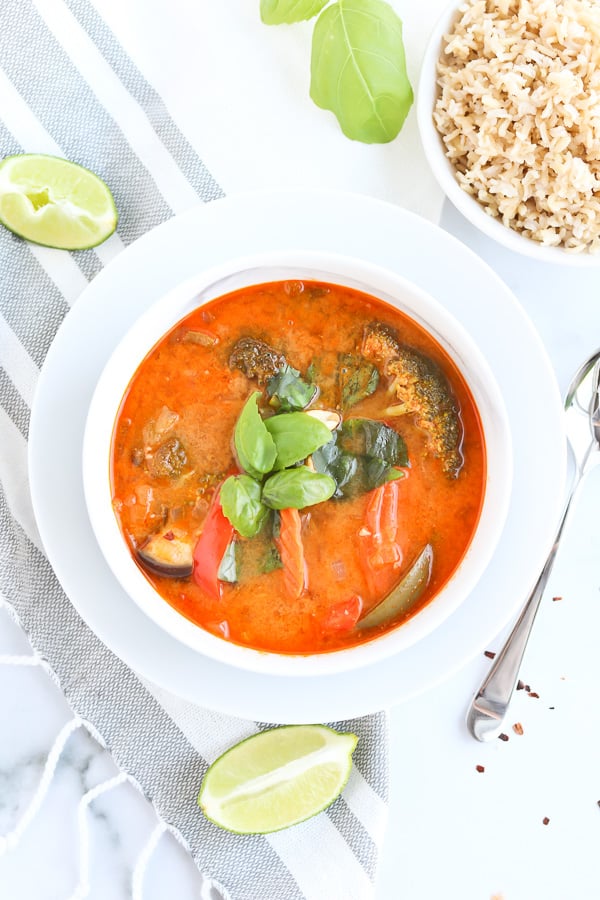
Master Thai Coconut Chicken Soup: Authentic Flavor Secrets
Imagine a bowl brimming with creamy coconut broth, tender chicken, vibrant vegetables, and a symphony of exotic spices – a dish so comforting yet exhilarating that it transports you straight to the bustling streets of Thailand. This is the magic of
thai coconut curry chicken soup, a culinary masterpiece that promises a culinary adventure in every spoonful. Many have experienced the disappointment of a lackluster restaurant rendition, only to discover the unparalleled satisfaction of crafting this flavor-packed soup right in their own kitchen. It's a dish that, despite a seemingly long list of ingredients, is surprisingly approachable and incredibly rewarding, quickly becoming a new household favorite.
This article delves into the heart of what makes an authentic
thai coconut curry chicken soup truly exceptional, revealing the secrets to balancing its complex flavors and achieving that crave-worthy depth. Whether you're a seasoned chef or a home cook looking to expand your repertoire, mastering this soup is a journey worth taking.
The Heart of Thai Flavor: Unpacking Key Ingredients
The soul of any authentic Thai dish lies in the quality and balance of its core ingredients, and
thai coconut curry chicken soup is no exception. Understanding the role of each component is the first step to unlocking its true potential.
*
Coconut Milk: The Creamy Foundation
This is perhaps the most crucial ingredient. For the richest, creamiest texture, always opt for
full-fat coconut milk. The higher fat content contributes significantly to the luscious mouthfeel and helps to carry the robust flavors of the spices. Light coconut milk, while an option, will yield a thinner, less satisfying broth.
*
Curry Paste vs. Powder: The Spice Symphony
While curry powder can be used, for a truly authentic and vibrant
thai coconut curry chicken soup,
Thai curry paste (red or yellow) is often preferred. Paste offers a more complex, pre-blended aromatic profile, typically including lemongrass, galangal, kaffir lime zest, and chiles. The strength of curry pastes and powders can vary greatly between brands, so always start with a smaller amount and taste as you go, adding more to achieve your desired intensity.
*
Aromatics and Umami Boosters: The Flavor Depth
Fresh ginger (or galangal if you can find it) provides a pungent, zesty kick. The bright acidity of
fresh lime juice, added at the end, cuts through the richness of the coconut milk and awakens all the other flavors. And then there's
fish sauce – a non-negotiable for authenticity. Don't be deterred by its pungent aroma; it's the secret weapon that delivers a profound, savory umami depth that's nearly impossible to replicate. It's an investment worth making if you plan to explore more Thai cuisine.
*
Protein and Produce: Heartiness and Texture
Tender chicken is central, whether you choose to brown your own diced chicken breast or thighs, or opt for the ultimate shortcut of using shredded rotisserie chicken. For those busy nights when time is of the essence, learning how to whip up a
Minute Thai Coconut Curry Chicken Soup for Busy Nights using pre-cooked chicken can be a lifesaver. Colorful vegetables like diced onions, carrots, and red bell peppers add sweetness, texture, and essential nutrients, making the soup hearty and visually appealing.
*
Starch: Noodles or Rice?
Whether you prefer delicate rice noodles, hearty rice, or even other noodle varieties, the starch component provides substance. Rice noodles offer a lighter, more traditional touch, while cooked rice adds a comforting, wholesome feel.
Crafting Your Culinary Masterpiece: Step-by-Step Secrets
Bringing these ingredients together in the right order and with the right technique is crucial for developing the rich, layered flavors that define a magnificent
thai coconut curry chicken soup.
1.
Preparation is Key (Mise en Place): Before you even turn on the heat, gather and prep all your ingredients. Dice the chicken, chop the vegetables, mince the ginger, and juice the lime. This foresight ensures a smooth cooking process, especially with a dish that builds flavors quickly.
2.
Building the Flavor Foundation: Start by heating a neutral oil (like coconut or olive) in a large Dutch oven or pot over medium-high heat. Add your diced chicken, seasoning it with a pinch of salt and pepper. Brown the chicken for 7-8 minutes until it develops a beautiful golden crust. This browning isn't just for appearance; it creates a layer of rich, savory flavor (the Maillard reaction) that will permeate the entire soup.
3.
Aromatic Awakening: Once the chicken is browned, add the diced onions and carrots to the pot. Sauté them for 3-4 minutes until they begin to soften and release their sweet aromas. Then, stir in the red bell pepper and cook for another minute or two, allowing it to slightly soften while retaining some of its crispness.
4.
Spice Infusion: This is where the magic truly begins. Add the brown sugar (for balance), minced ginger, curry paste (or powder), coriander, and a pinch of red pepper flakes (to your desired heat level). Cook and stir for about a minute. This crucial step, known as "blooming" the spices, gently toasts them in the hot oil, intensifying their fragrance and ensuring their flavors fully integrate into the soup.
5.
The Liquid Gold: Pour in the chicken broth, the luscious full-fat coconut milk, the essential fish sauce, and the freshly squeezed lime juice. If using rice, add it now. Bring the mixture to a gentle simmer, stirring occasionally to ensure everything is well combined and heated through. Allow it to simmer for at least 10-15 minutes, or longer if you have time, for the flavors to truly meld and deepen. This slow simmer transforms individual ingredients into a harmonious blend.
6.
Finishing Touches: If using noodles, add them towards the end, cooking them directly in the broth according to package directions. Taste the soup and adjust seasonings as needed. This is your chance to add more fish sauce for umami, lime juice for brightness, brown sugar for sweetness, or red pepper flakes for heat. Fresh cilantro and a sprinkle of chopped peanuts (for crunch) are classic garnishes that add freshness and texture just before serving.
Mastering the Nuances: Tips for Unforgettable Flavor
While the basic steps are straightforward, a few expert tips can elevate your
thai coconut curry chicken soup from good to extraordinary.
*
Embrace Full-Fat Coconut Milk: We can't stress this enough. The richness isn't just about taste; it provides the perfect vehicle for the spices and creates that luxurious, velvety texture that is so characteristic of authentic Thai soups.
*
Stock Your Pantry with Ginger: Fresh ginger is far superior to powdered ginger. A pro tip: store whole ginger roots in the freezer. They're easier to grate when frozen, and you'll always have some on hand for spontaneous Thai cooking.
*
Don't Skip the Fish Sauce: It’s the umami bomb! Fish sauce provides a depth of savory flavor that salt alone cannot replicate. It's often referred to as the "salt of Southeast Asian cuisine." Trust us, it’s worth buying.
*
Adjust Heat to Your Preference: Thai food is known for its balance, including heat. Red pepper flakes are a great way to control the spice level. You can also add fresh sliced Thai bird chiles for a more intense, fresh heat. For a milder soup, simply reduce or omit the flakes.
*
Toppings are Not Optional: Fresh cilantro, a squeeze of extra lime juice, and especially a generous sprinkle of crunchy peanuts or cashews, add essential freshness, brightness, and textural contrast that complete the dish.
*
Consider Rotisserie Chicken for Speed: When time is tight, a pre-cooked rotisserie chicken is your best friend. Simply shred the chicken and add it to the soup at the very end to heat through. It’s a fantastic way to enjoy delicious, homemade
Thai Coconut Curry Soup: Easy Recipe with Rotisserie Chicken without compromising on flavor.
Beyond the Bowl: Variations and Serving Suggestions
One of the beautiful aspects of
thai coconut curry chicken soup is its versatility.
*
Protein Swaps: While chicken is traditional, feel free to experiment with shrimp, thinly sliced beef, or even firm tofu for a vegetarian option.
*
Veggie Boost: Add other quick-cooking vegetables like mushrooms, spinach, bamboo shoots, or snap peas towards the end of the cooking process.
*
Noodle Alternatives: If you don't have rice or rice noodles, egg noodles or even ramen noodles can make a delicious substitute.
*
Serving Suggestions: Serve your magnificent soup hot with extra lime wedges on the side, fresh cilantro, and perhaps some homemade naan bread or steamed jasmine rice for dipping and soaking up every last drop of that incredible broth.
Conclusion
Mastering
thai coconut curry chicken soup is a culinary adventure that promises rich rewards. From understanding the nuanced roles of key ingredients like full-fat coconut milk and fish sauce, to meticulously layering flavors during the cooking process, each step contributes to an unforgettable dish. This hearty, flavorful, and comforting soup is perfect for any time of year, offering a vibrant taste of Thailand that will undoubtedly become a cherished recipe in your home. Don't be intimidated by the ingredient list; the joy of creating such an authentic and satisfying meal from scratch is a truly gratifying experience. Dive in, experiment, and savor the journey to creating your own perfect bowl of Thai coconut curry chicken soup.